



 Admin
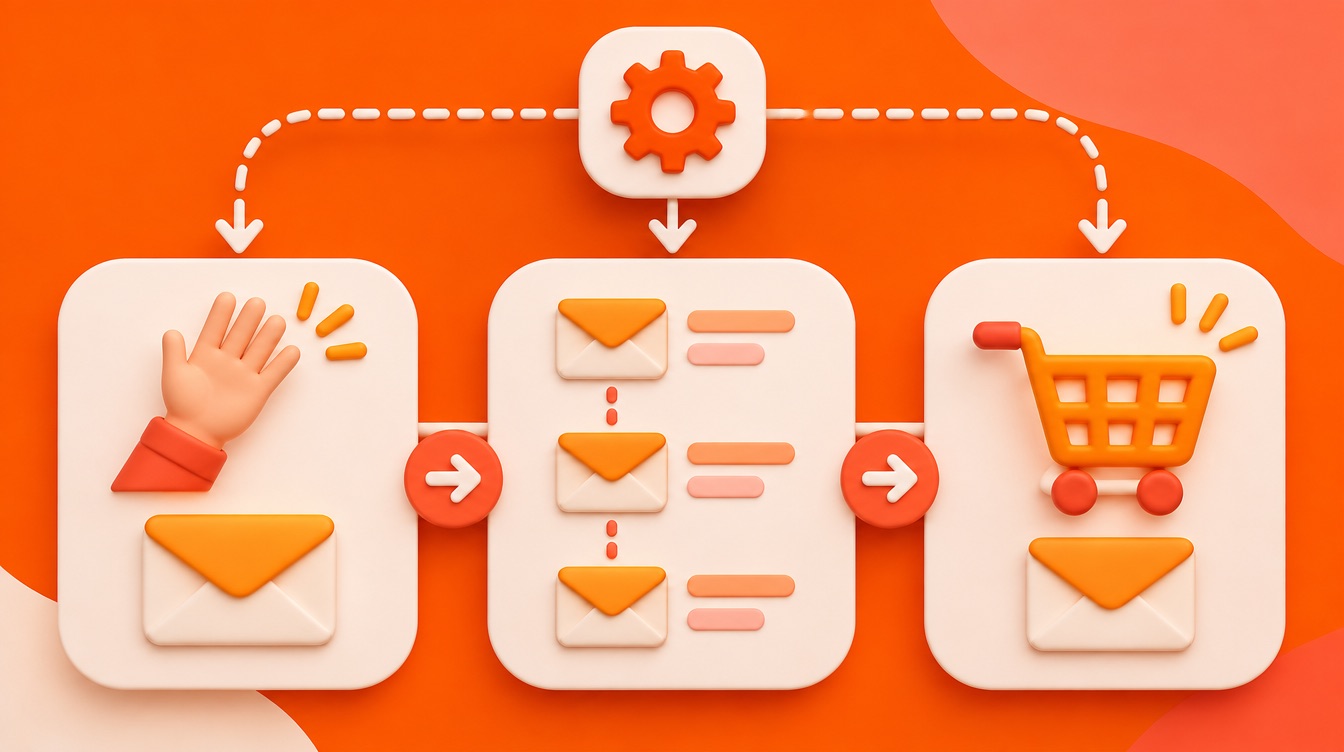
Email remains valuable because it is one of the few channels you own. Yet many businesses send the same newsletter to everyone and wonder why results fade. The fix is rarely sending more often. It is sending the right message at the right moment, automatically. Here are the three flows that work for almost every list.
1. The welcome flow
Interest is highest right after someone subscribes, so a single thank-you email wastes it. A balanced welcome flow has three or four messages:
- First email: deliver what you promised straight away, whether it is a guide, a discount or the first piece of content.
- Second email: explain who you are and which problem you solve.
- Third email: share your most useful or most read content.
- Fourth email: make a soft ask, such as a demo, a consultation or a first purchase.
Send the first message instantly and space the rest two to three days apart.
2. The abandonment flow
This flow is not only for abandoned carts. It also works for people who leave a form half finished or browse a pricing page and never return. Use the person's last action as the reference point and offer the natural next step.
- Do not pressure in the first reminder; simply show where they left off.
- Use the second message to answer likely objections such as delivery, returns or common questions.
- Keep any incentive for the third message, and only when it is truly appropriate.
Offering a discount every time trains customers to wait for one. Information and trust first, incentive last.
3. The re-engagement flow
Subscribers who have not opened anything for months hurt your sender reputation. Give them a separate flow. Define a rule based on last activity, for example no opens or clicks in six months. Then send two or three messages: a preference check, a summary of your best content, and finally a polite goodbye that says they will be removed. Removing people who do not respond lowers your list size in the short term but improves engagement and deliverability.
Keep segmentation simple
You do not need complex scenarios. Three groups are enough to start: new subscribers, active customers and long-silent contacts. Later you can add interests, purchase history and source channel.
Legal and technical basics
In Türkiye, commercial electronic messages require consent, and consent is expected to be managed through the national message management system. Every email needs an unsubscribe link and requests should be processed promptly. On the technical side, correctly configured SPF, DKIM and DMARC records reduce the risk of landing in spam.
What to measure
Open rate alone is not reliable because privacy features in email clients can distort it. Rely more on click rate, conversion and revenue per flow, and monitor each flow separately.
Start with the welcome flow, then add abandonment and re-engagement. Once all three run, your regular newsletters perform more evenly because the list is cleaner and more relevant.




