



 Admin
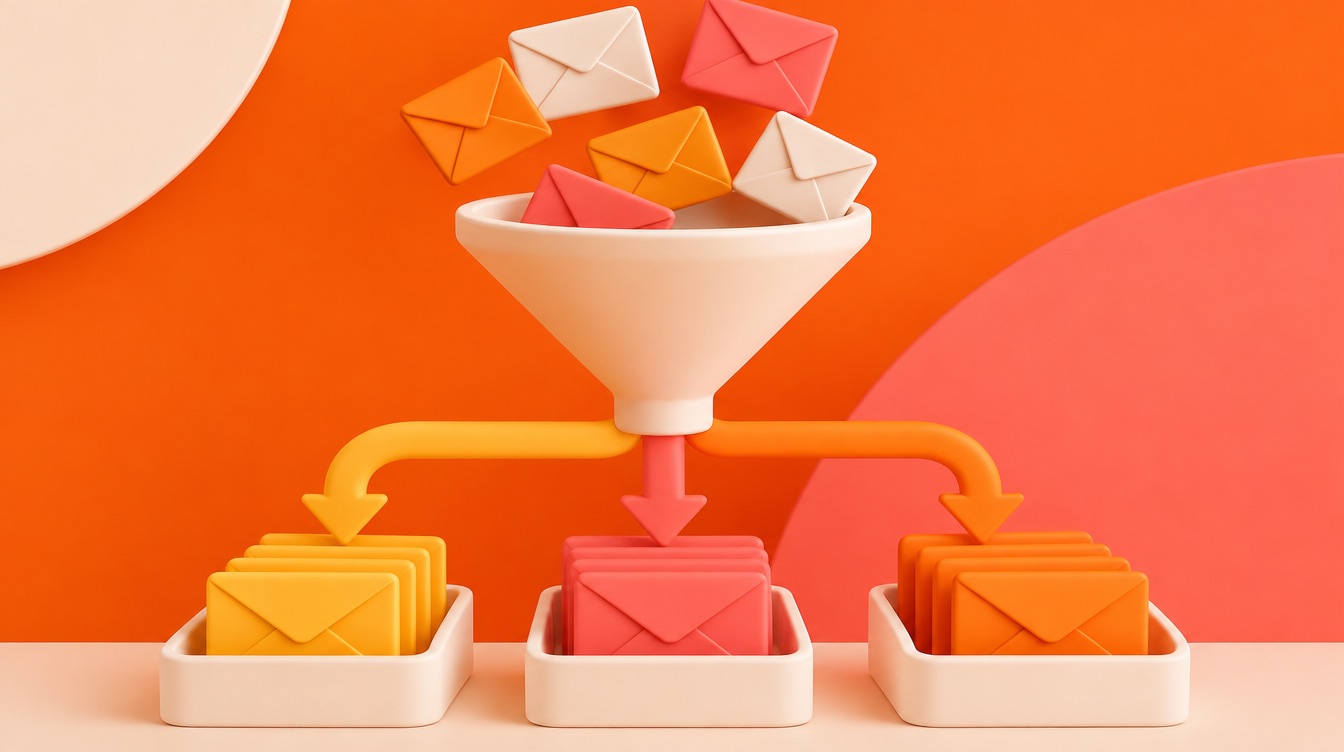
Email is one of the most controllable marketing channels when managed well. Yet sending the same newsletter to your whole list is the most common reason open and click rates decline. The fix is segmentation, which lets you deliver the right message at the right time.
Why segmentation works
One subscriber may have just signed up, while another is a loyal customer who has bought for months. Sending both the same content feels irrelevant to one and repetitive to the other. Grouping lets you speak to each person's situation.
What to segment by
- Signup source: which form or page did they subscribe through?
- Behavior: which links did they click, which pages did they visit?
- Purchase history: first purchase, repeat buyer, no activity for a long time.
- Interest: which categories or topics do they prefer?
- Engagement level: regular openers versus long-term inactive contacts.
Set up a welcome series
In the first days, when interest is highest, send a short series of three to five emails introducing your brand. State clearly in the first message what you will send, then share your most useful content. Once automated, this series runs continuously.
Subject lines and timing
Subject lines should be clear and honest. Striking headlines that do not match the content may lift opens briefly but damage trust. Choose send times from your own list's history rather than guesses, and confirm with A/B tests, changing one variable at a time.
List hygiene
Persistently mailing disengaged subscribers harms your sender reputation and raises the chance of landing in spam. Send a last-chance email to long-inactive contacts and remove those who do not respond. Every email needs an easy unsubscribe link, and you should follow consent and notice requirements under applicable data protection law.
What to measure
Open rate alone is not enough, since privacy features in email clients can distort it. Track results-oriented metrics such as click rate, on-site behavior and conversions. Comparing by segment shows clearly which group responds to which content.
Start small
Begin with two or three simple segments: new subscribers, customers and inactive subscribers. Refine them as your data grows. The point is not to build a complex structure but to make sure every message offers real value to its recipient.